by Claire Greene Whitfield
Fun Rating: 4/5
Difficulty Rating: 3/5
What is the general purpose?
Lentiviral transduction is a technique used to introduce foreign DNA sequences into a cell. After deciding on the DNA sequence we want to study, we can efficiently insert that specific gene into cells using…viruses!
Why do we use it?
To study certain diseases and understand cells on a molecular level, scientists will manipulate the cell’s genome by adding in specific genes. This can be a difficult task since cells will not take in random DNA. Lentivirus, a virus belonging to a family of retroviruses, naturally evolved to insert its DNA into cells (referred to here as host cells) for its own life cycle – making it the perfect tool to help scientists.
Let’s quickly review how and why viruses do this. Viruses are not living like animal cells, plant cells, or bacteria. Viruses have the genetic instructions for how to reproduce, but none of the cellular tools to replicate. How do they get around this? By “hacking” their way into living cells and tricking them into reproducing the virus (Figure 1).
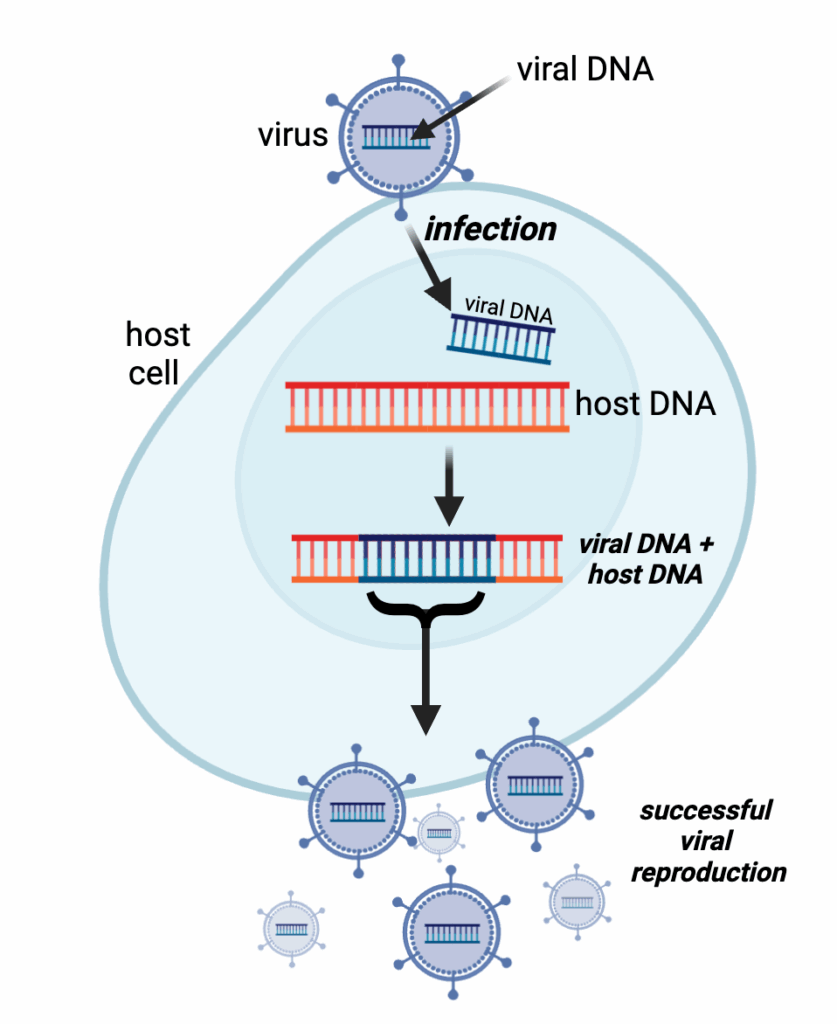
Figure 1. Viruses trick host cells in order to reproduce
Scientists can take advantage of this viral “hacking” by replacing the viral DNA with something they want to study.
How does it work?
Packaging and producing the virus
First thing’s first, decide on the specific gene you want to study – the one you want your cells to contain in the end. For example, let’s say that you want to have your cells glow green. You can do this by giving your cells a short, circular piece of DNA (a plasmid) containing the gene to make green fluorescent protein, also known as GFP.
As we talked about above, cells don’t usually take in random DNA. This is where we can ‘hack’ the virus to do the work for us. Once you combine the virus with your GFP gene, the virus will naturally stick it inside any cell you like. This combination happens using a first set of host cells to reproduce. This first set of cells acts as “virus factories,” whose only purpose is to make a lot of viruses with the GFP gene inside (Figure 2).
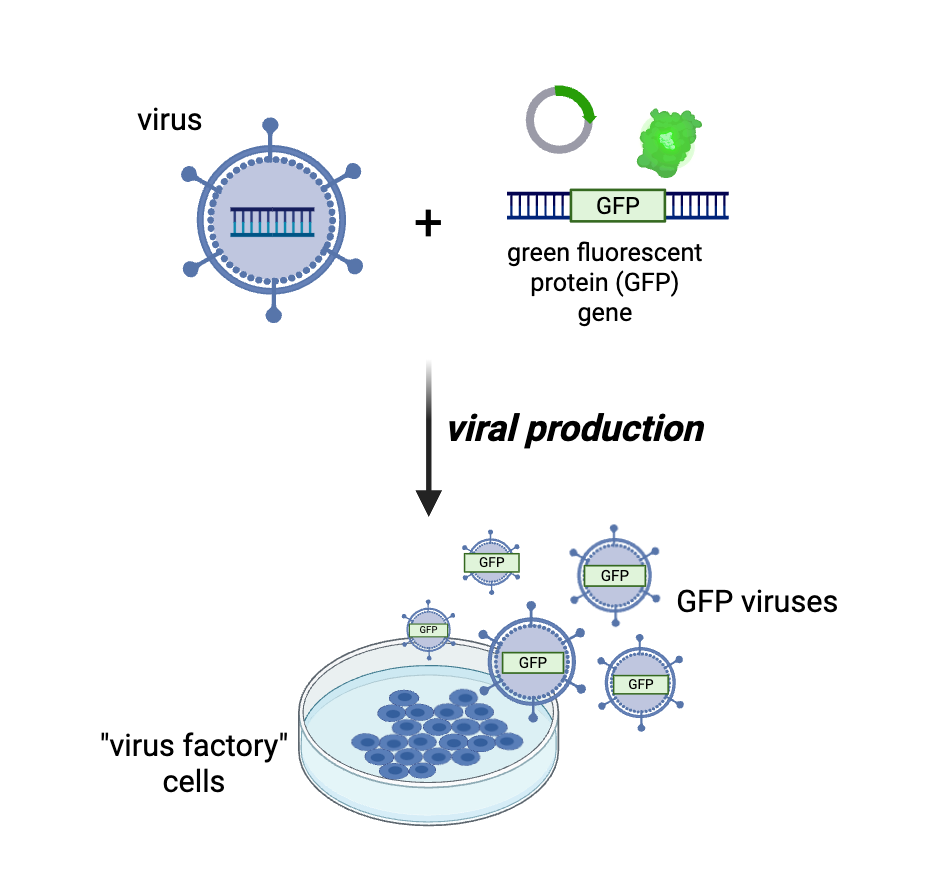
Figure 2. Using a set of “virus factory” host cells to make lots of GFP viruses
Transduction and expression
A couple of days after combining your “virus factory” cells with GFP and virus, your cells will have made a lot of lentivirus copies to infect your final destination cells – the cells you actually want to glow green. The final step is pretty easy! Just add your harvested GFP viruses (the lentivirus copies) to your cells and wait for gene expression to take place. This step, where the virus adds GFP to the destination cell, is called transduction.
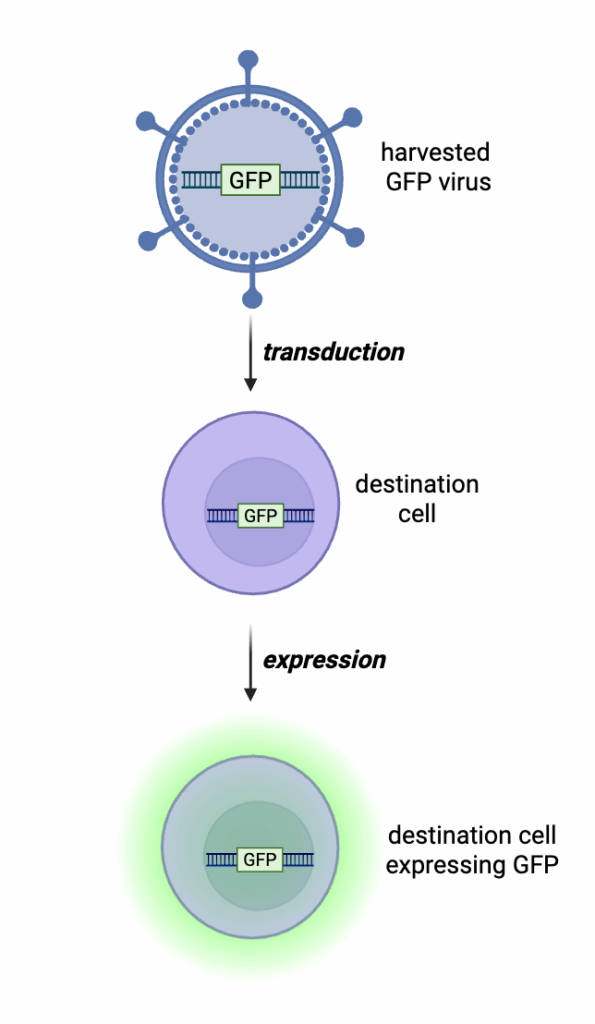
Figure 3. Transduction of GFP virus into destination cell
Now you officially have completed lentiviral transduction and delivered your gene of interest (GFP) in your cell type of interest!
All figures created by the author in Biorender.
