by Julia Riley
The introduction of gene therapies have revolutionized the way we think about illness, cancer, and even aging. Gene therapies modify a person’s genetic information to treat, prevent, or cure disease. There are several mechanisms through which gene therapies achieve a therapeutic effect: replacing a disease-causing gene with a healthy copy of the gene, inactivating a disease-causing gene, or introducing a new gene altogether to treat the disease. FDA-approved gene therapies already exist for conditions including sickle cell anemia, Duchenne muscular dystrophy, and inherited retinal dystrophy. However, with scientific advancement, comes ethical concerns about its applications. Gene therapies have prompted polarizing responses, especially in the realm of germline editing.
What is Germline Editing?
Unlike the gene therapies previously mentioned, which edit the genetic information of cells once they have differentiated into having a specialized function (like muscle cells, blood cells, or bone cells), germline mutations occur in reproductive cells (eggs or sperm), before these cells become their final form. Although many genetic mutations are clinically insignificant (no meaningful impact on an individual’s health), some mutations change our genetic information enough to cause disease.
Germline editing offers several compelling applications, including the ability to screen embryos (the early developmental stage of animals, including humans) for disease and to address otherwise intractable infertility. Perhaps most controversially, germline editing presents a method to genetically manipulate embryos to have certain genetic advantages, not only for reduced risk of disease but even increased intelligence or athletic ability (though the heritability of these traits are still up for debate).
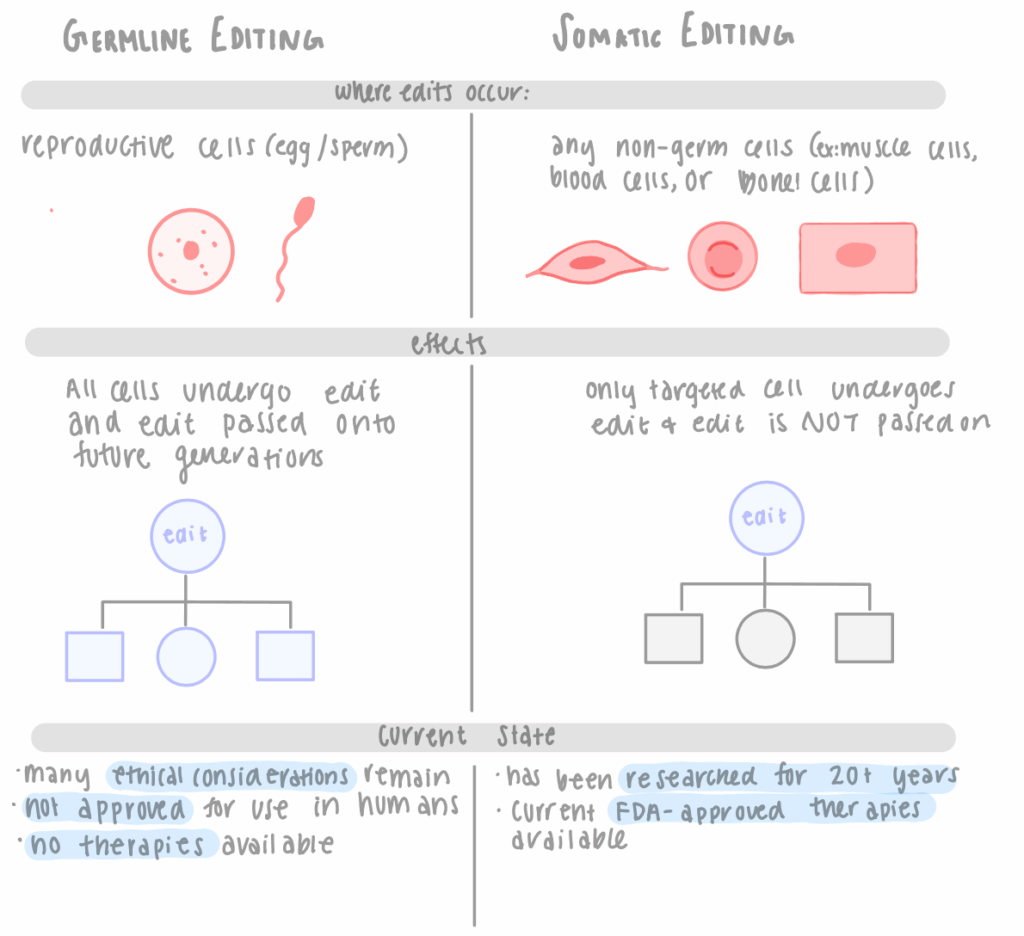
Figure 1. Germline vs somatic genetic editing.
Ethical Considerations of Germline Editing
Despite the potential benefits of such applications, as with any new technology, there are concerns about the risks associated with germline editing. For example, unsuccessful editing can lead to genetic mosaicism, where not every cell in the embryo receives the genetic edit, resulting in unknown consequences for the individual and their descendants.
At the International Summit on Human Gene Editing in 2015, a statement was released concluding that “it would be irresponsible to proceed with any clinical use of germline editing…” until several metrics were reached, including societal consensus about the utility of this technology. Despite the ethical concerns and recommendations not to proceed with germline editing, one scientist, He Jiankui, performed germline edits in human embryos in his lab in Shenzen, China. He and two of his collaborators were found to have forged documents and deceived doctors, having them unknowingly implant gene-edited embryos into patients, violating national regulations on biomedical research and medical ethics. This experiment resulted in Jiankui’s termination from his university and a 3-year jail sentence, sparking a flurry of debate. Since germline edits integrate into an embryo’s genome during development, edits conferred in the resulting baby would also extend to all future offspring. This could drastically change the human gene pool, having multigenerational impacts we can’t begin to predict. Additionally, the human embryos receiving these genetic edits cannot consent to alterations in their genome.
What About the People Who Support This?
As arguments against germline editing continue, several families with loved ones affected by severe genetic disease offer another perspective. Some suffering from genetic conditions believe that germline editing should be used to prevent the transmission of genetic diseases for which there are no treatment options. This ushers in further questions: Where is the line drawn between medicine and genetic enhancement? Would germline editing lead to exponential increases in healthcare disparity through each generation? Would the introduction of germline editing lead to individuals with disabilities being less accepted within society?
There is much still to be understood about the impact of germline editing. While the responses to initial experiments have been polarizing, continued conversations about this controversial technology are critical in guiding the way forward.
