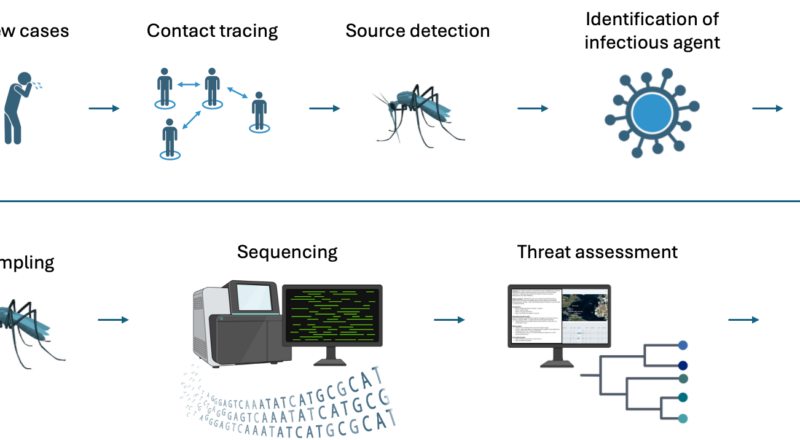
By Ana Cunningham Mosquito-borne diseases are among the leading causes of illness worldwide, especially in low- and middle-income countries (LMICs). […]
Continue readingTag: disease
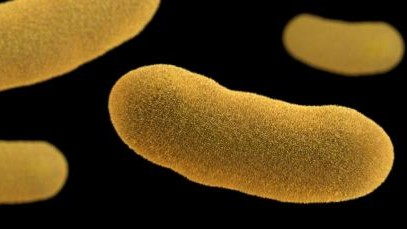
The Plague Isn’t Dead—Should We Still Be Worried?
by Claire Greene Whitfield If the bubonic plague sounds familiar to you, it is probably from history class – not […]
Continue reading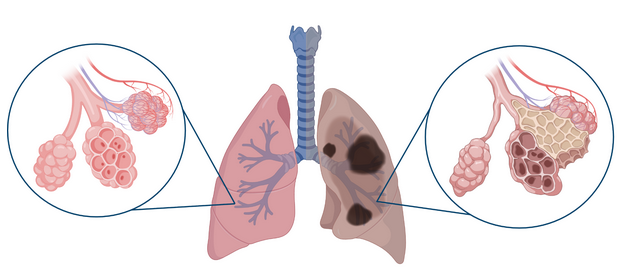
Fibrosis
(Noun. fie-BRO-sis) by Ana Cunningham What does it mean? A chronic, progressive buildup of excess connective tissue, particularly in extracellular […]
Continue reading
What is the biology behind early stage cancer cell invasion?
by Liseth Orosco Barrionuevo Cancer is detrimental when cancer cells invade surrounding tissues and spread throughout the organism. This article […]
Continue readingInverse Vaccines: The Vaccine That Tells Your Immune System to Relax
by Ahana Mallick You’ve probably had a vaccine before — for flu, COVID, or chickenpox. The idea is always the […]
Continue reading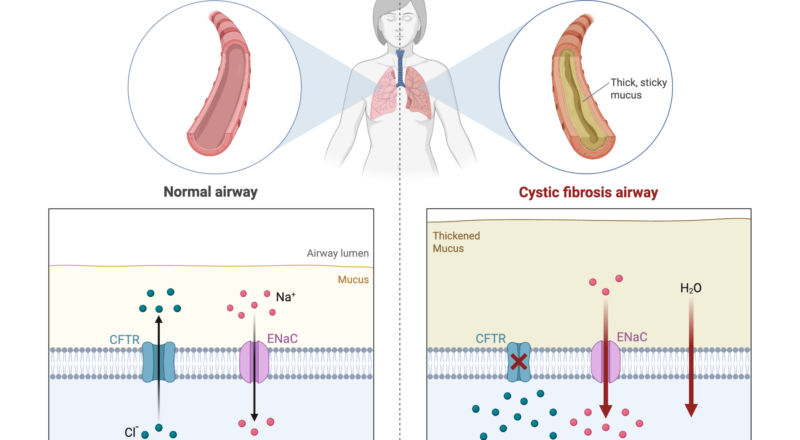
Cystic Fibrosis: Beyond the Lungs and into the Gut
by Hailey Dodson Cystic Fibrosis (CF) is a well-known genetic disease most often associated with severe lung problems. For decades, […]
Continue reading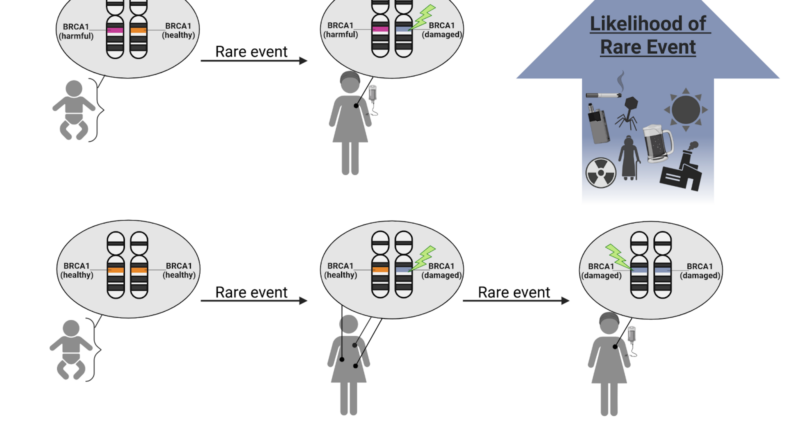
Can I inherit cancer?
by Emily DiMaulo-Milk In 2026, an estimated 5,800 Americans will be diagnosed with cancer each day. You probably know someone […]
Continue reading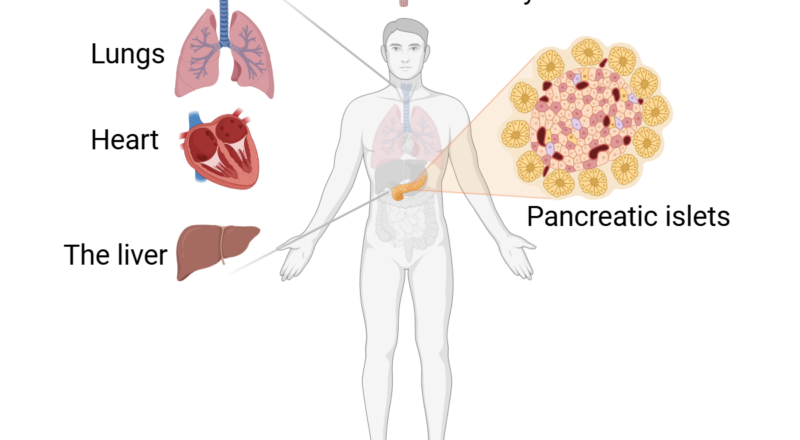
Coxsackievirus
by Fahmida Alam Coxsackieviruses (kok-sak-ee-VY-rus) are viruses that spread through the fecal-oral route and can cause mild flu-like symptoms (e.g., […]
Continue reading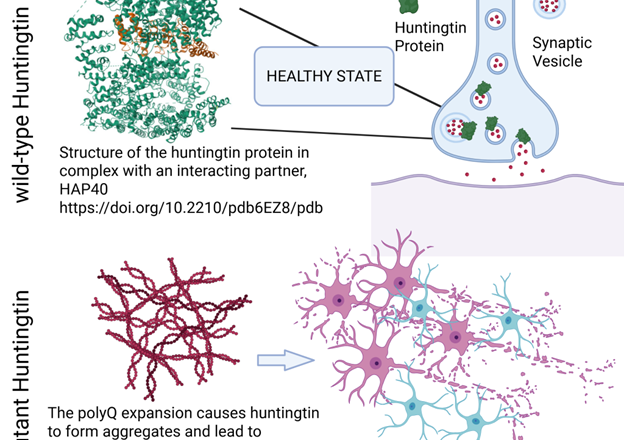
Huntingtin
Noun. /hunt-ih-tin/ by Anca Frasineanu What does it mean? Huntingtin is a protein required for neuronal health, especially for the […]
Continue reading
Poliovirus
by Margaret Dedloff In the late 1940s and 1950s there were nearly 60,000 cases of polio in the United States […]
Continue reading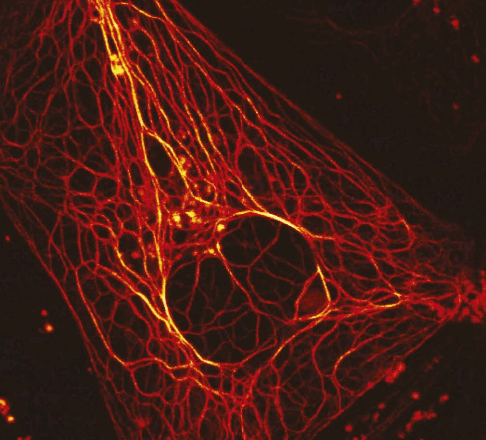
Lighting Up Biology: All About Fluorescent Probes
by Sarah Angle Timely and accurate disease detection often determines how effective treatment will be. However, many diseases are difficult […]
Continue reading
How Mycobacterium tuberculosis Evades the Immune System—For Years
by Marco Gontijo Tuberculosis (TB) has claimed more lives than any other infectious disease in the history of humanity, with […]
Continue reading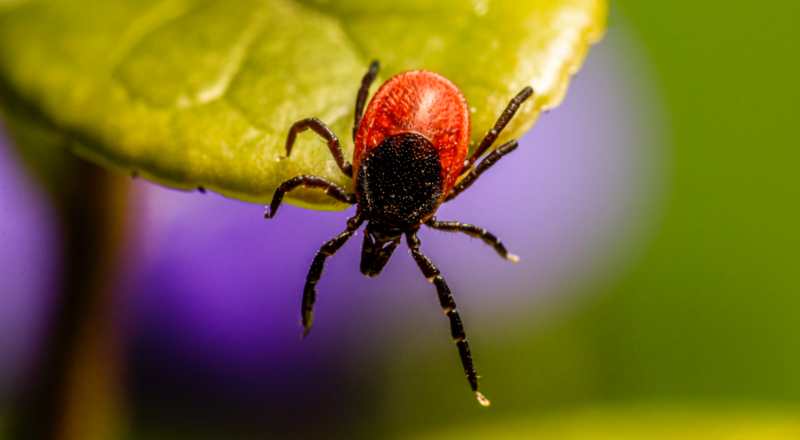
Ticks and Alpha-gal syndrome
by Margaret Dedloff Ticks are arachnids (like spiders!) that need to feed on blood from humans and other animals to […]
Continue reading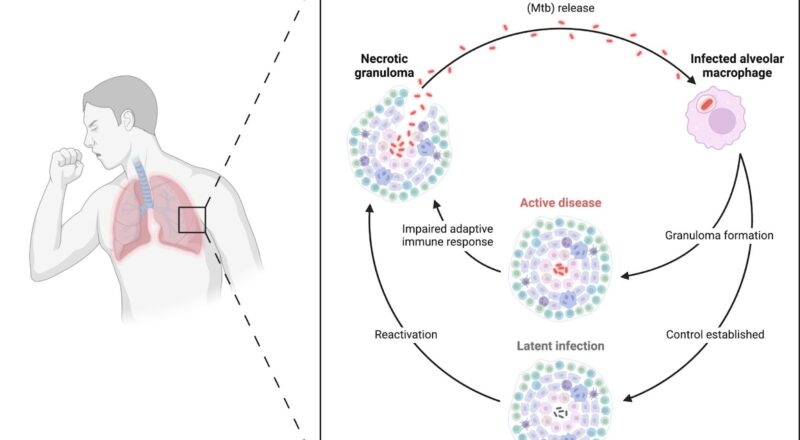
Why Has Tuberculosis Faded from Public Attention?
by Marco Gontijo Tuberculosis (TB) is history’s deadliest infectious disease, responsible for over a billion deaths in the past two […]
Continue reading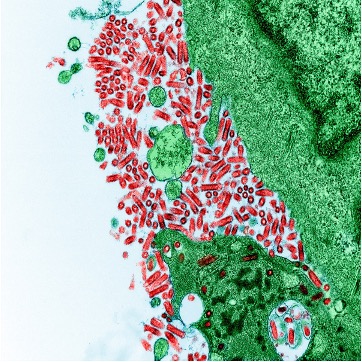
RABIES: What makes a dog go rabid?
by Jenna Grabowski Whether you grew up with a pet or were told as a kid to stay away from […]
Continue reading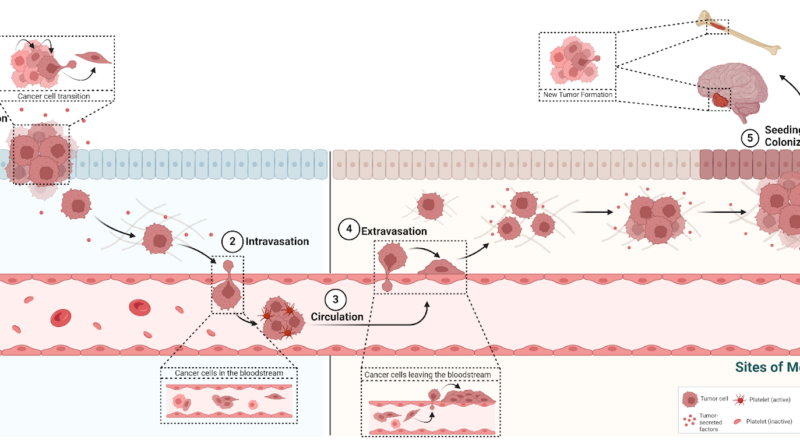
Metastasis
(noun/meh-TAS-tuh-sis) by Hannah Thrash What does it mean? Cancer is the uncontrolled proliferation of cells that forms a tumor in […]
Continue reading
Pathology
(noun. puh·thaa·luh·jee) by Anna Goddard What does it mean? Pathology is the study of disease, including the exploration of its […]
Continue reading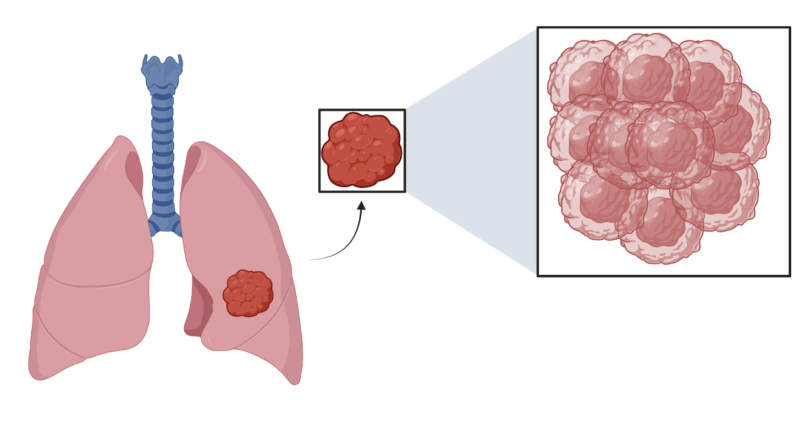
Cancer
(noun. KAN-suhr) by Yasemin Cole What does it mean? An abnormal and uncontrollable increase in the number and growth of […]
Continue reading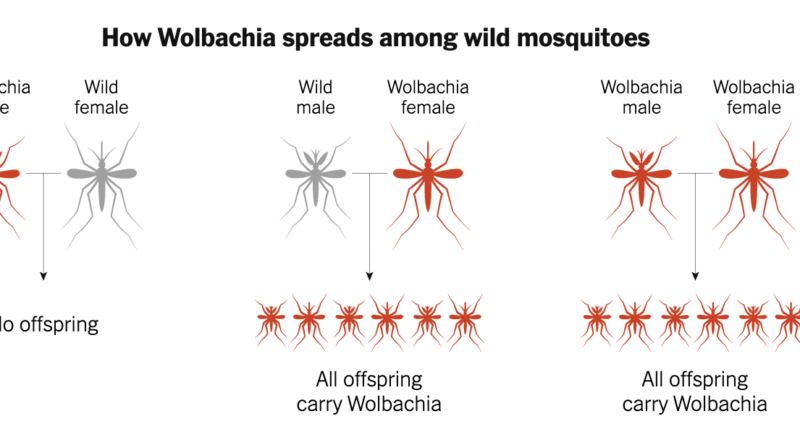
100 Years of Wolbachia
By Olivia Conway In the past several decades, researchers and physicians have made tremendous advances towards reducing the death rates […]
Continue reading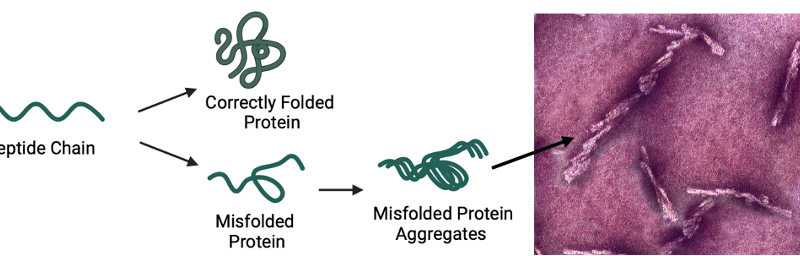
Prions: the infectious agent that comes from within
by Jenna Grabowski When people hear the term “infectious disease,” they typically think of diseases caused by viruses, bacteria, or […]
Continue reading